


Economy and Ecology - publié par lelorrain
le 23/06/2026
Optimizing gas consumption in welding: an eco-responsible approach
The welding industry is at a crossroads, where energy efficiency is no longer just an option, but a necessity. In today's competitive world, optimizing gas consumption is not only about reducing energy bills; it also raises questions of sustainability and technological innovation. In this respect, low-consumption torches and energy-saving regulators are central to the solutions of the future.
Low-consumption equipment: the economizing regulator and gas
Next-generation equipment offers increased precision and reduced gas consumption, resulting in significant savings for professionals. Its efficiency aligns with the energy efficiency certifications that are now industry standards.

Choosing a suitable gas regulator, and in particular an energy-saving regulator, is a key factor in controlling consumption. These adaptive flow regulators allow for real-time adjustment of the delivered pressure, thus preventing any unnecessary losses.

Using this equipment demonstrates a commitment to :
- Compliance with regulatory requirements in the industrial sector
- Reducing carbon footprint
- Operational efficiency

Training : an often underestimated lever
But saving gas is also a matter of skill and knowledge. Advanced training in welding techniques can lead to a reduction in gas consumption of 20% to 35%. This underscores the importance of a well-trained workforce capable of making the most of these advanced technologies, whether it's mastering a heating torch, a brazing torch, or a high-performance gas-saving regulator.
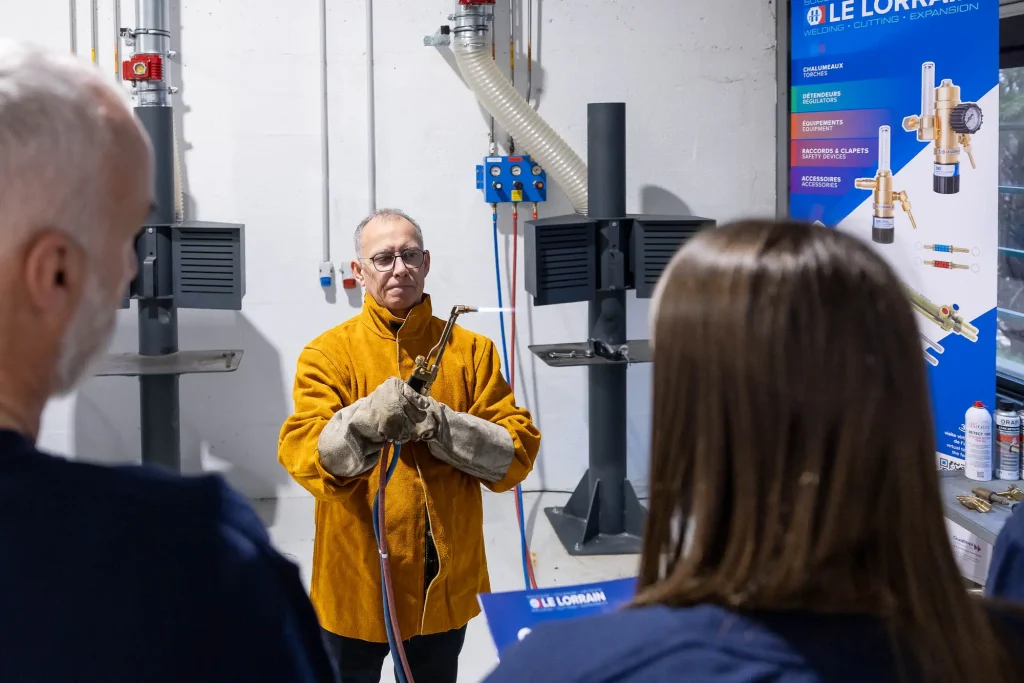
The benefits of appropriate training include:
- Improved pressure control on gas regulators
- Optimized torch use depending on the material
- Reduced waste and gas consumption during dry running
Towards a more durable welding
Optimizing gas consumption is a multifaceted challenge that requires a balance between adopting advanced technologies, ongoing training, and exploring innovative materials. Gas-saving torches and regulators are just the tip of the iceberg in the arsenal of tools available to eco-conscious welders. With this high-performance equipment and an eye on future innovations, the welding industry can continue to move toward an era of increased sustainability and environmental responsibility.